-
Why You Hate My Cards
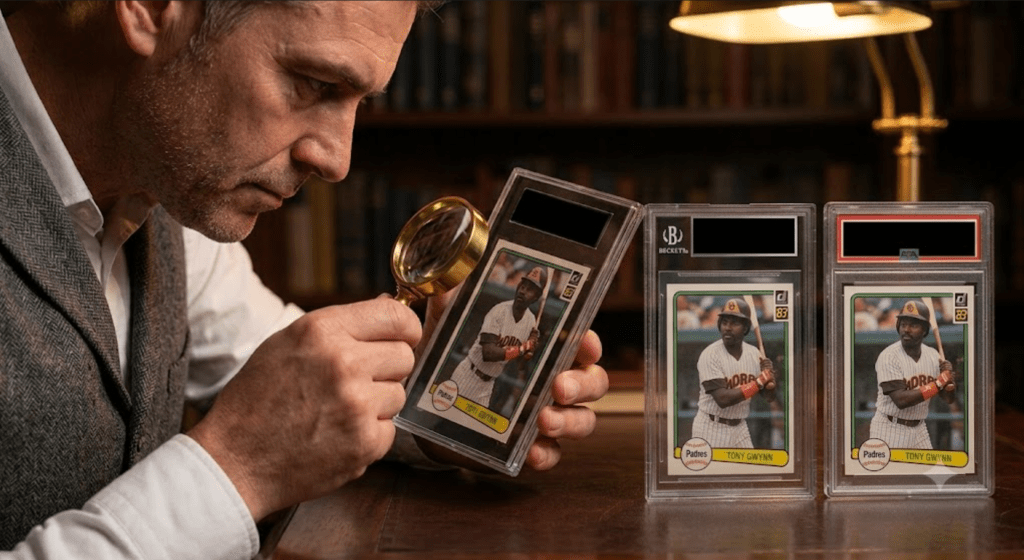
I hid the grades on three nearly identical cards and asked people to guess. Every guess came in harsher than the real number. This wasn’t about which grading company people trusted — it was about what happens the moment someone starts looking for a flaw.
-
Don’t Start With the Transaction
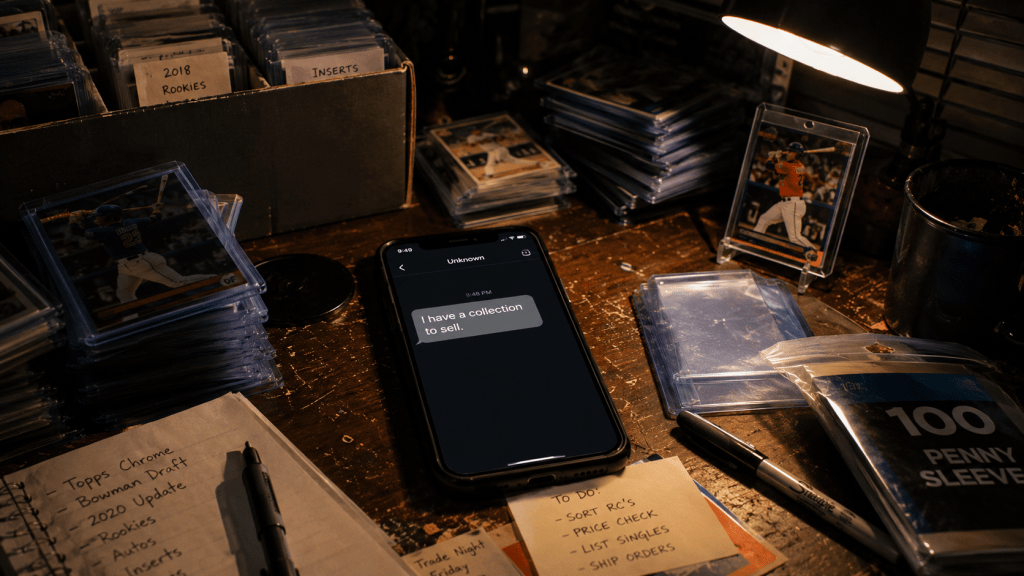
An unsolicited card offer is not just awkward; it skips the trust that makes hobby spaces work. Instagram is not a buying desk, a feedback system, or a card show table. Before asking someone to become a buyer, read the room, build some context, and say hello first.
-
The Hall of Famers Had to Play Somebody – The Thought Experiment
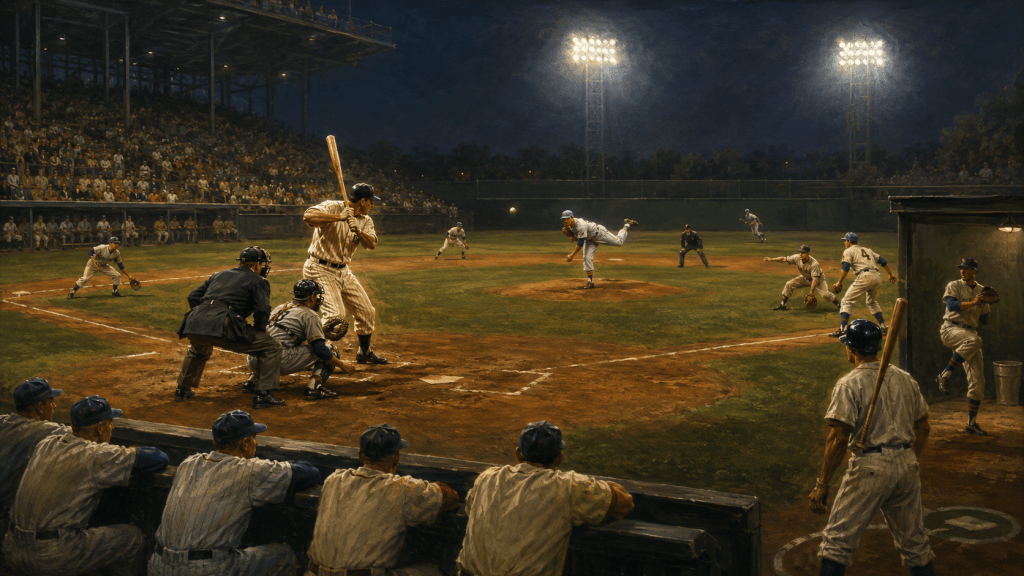
In an all-Hall-of-Fame league, greatness would not disappear, but the numbers would shrink. A .270 hitter might be excellent. A 3.50 ERA might dominate. If every opponent is legendary, the stat sheet changes shape, and the Hall of Fame line simply moves to a higher altitude.
-
The Multi-Vendor Antique Mall: A Love Letter With Complaints
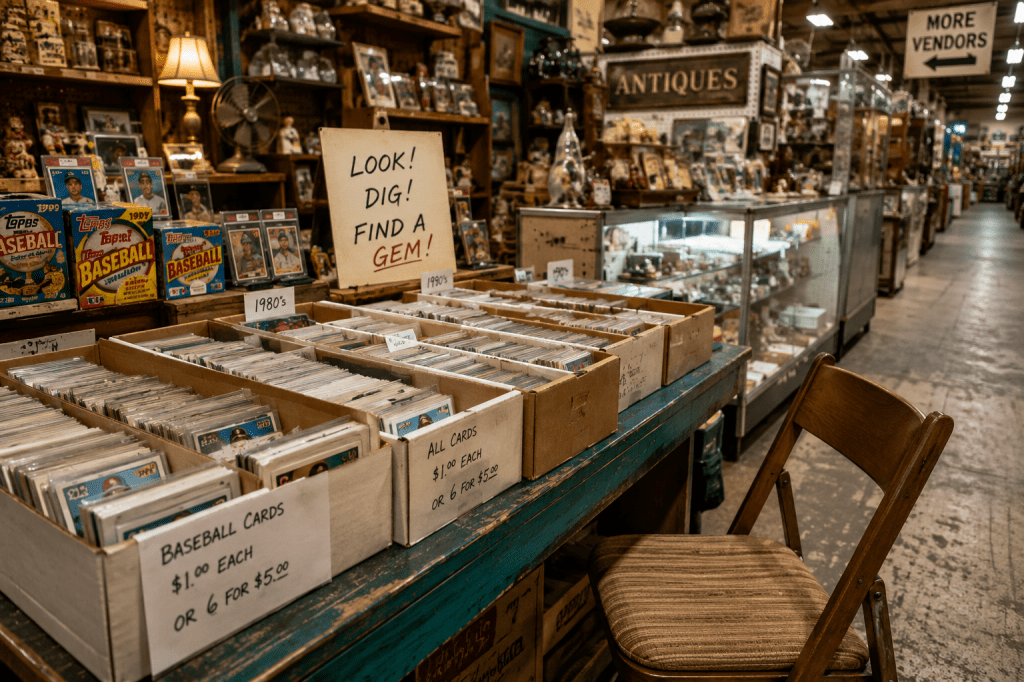
Antique malls can be wonderful places for card collectors: strange finds, weird pricing, and the occasional surprise hiding in a forgotten value bin. But the whole thing falls apart when vendors make cheap cards hard to browse. If you want collectors to buy, let them dig.
-

Please Quit Shouting at Me
When sellers scold a live room for not bidding high enough, they are not creating urgency. They are teaching buyers to leave. A Whatnot auction is a demand test, not a guarantee. Loyal buyers are earned through trust, pace, fairness, and a room people want to return to.
-

Still Alive: Why Baseball Must Own This Moment
Baseball doesn’t ask to carry every burden, but sometimes the moment finds it anyway. A player tells the truth about survival, and the response reveals something darker. What happens next isn’t about one athlete—it’s about what the game chooses to tolerate, and what it refuses to ignore.
-

The Singular Target Problem
Baseball prefers a single villain. It’s easier to condemn one man than examine a culture. Dave Kingman becomes the face of behavior the game tolerated for years. By isolating the worst example, the institution escapes scrutiny. We close the case, learn nothing, and move on—comfortable, resolved, unchanged.
-

What Have We Done to the People Who Sell Us Cards?
We’ve built a customer service culture grafted onto a passion-driven hobby. When sellers apologize for two-day shipping, they’re really saying, ‘Please don’t ruin my livelihood.’ We’ve weaponized feedback and entitlement until the communal handshake is gone. We broke the people who make this hobby run. Stop pretending it’s fine.
-

When You’re Suddenly a Ghost in the Chat: On Being Unwanted in a Stream
When you stop being a fire hose of easy money and start being a collector with actual standards, you become “work” for the host. Streams that perform “community” only to withdraw it the moment you stop buying second-class volume aren’t hobby shops—they’re transaction terminals.
-
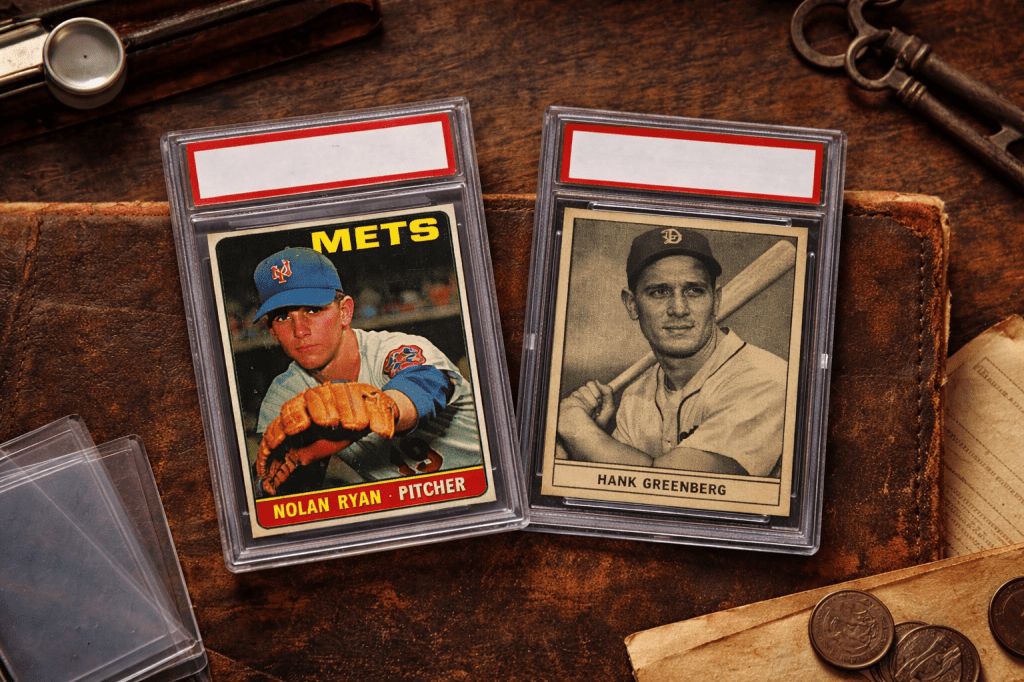
Opportunity Cost in Collecting: Choosing Between Two Grail Cards
Collectors make small decisions all the time — bid or pass, buy now or wait. But what happens when the stakes are higher and the choice is between two grail cards? Sometimes the real challenge isn’t finding the grail. It’s deciding which one comes first.
-
Subscribe
Subscribed
Have a WordPress.com account? Log in now.

